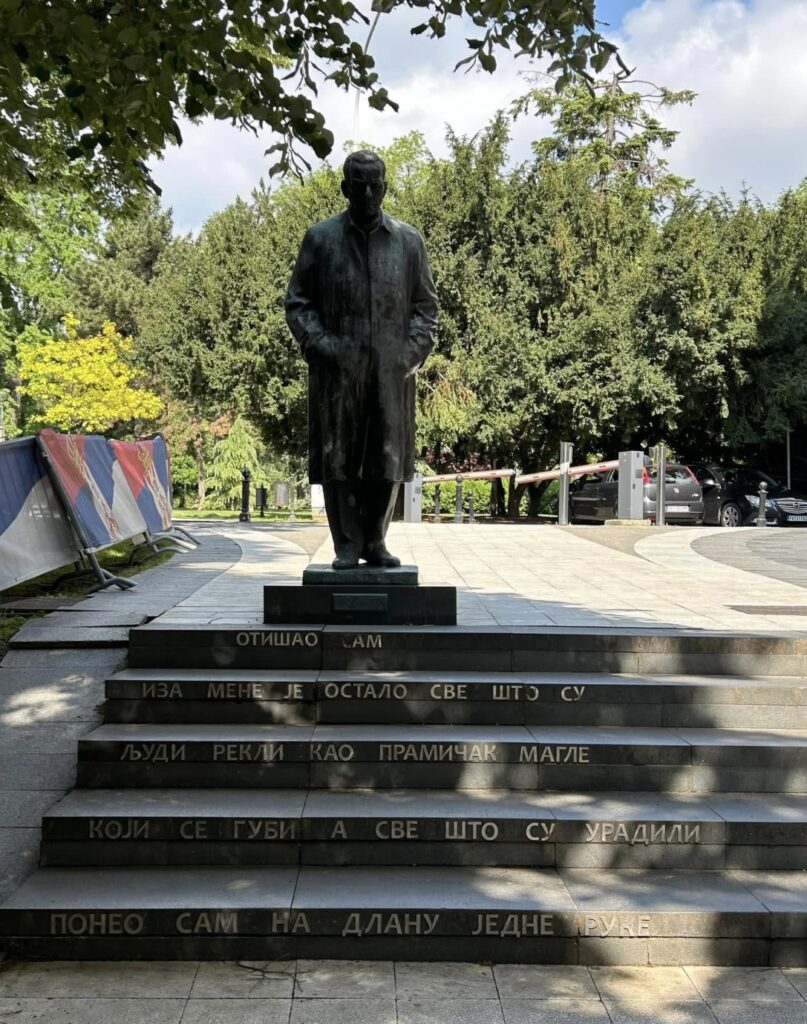
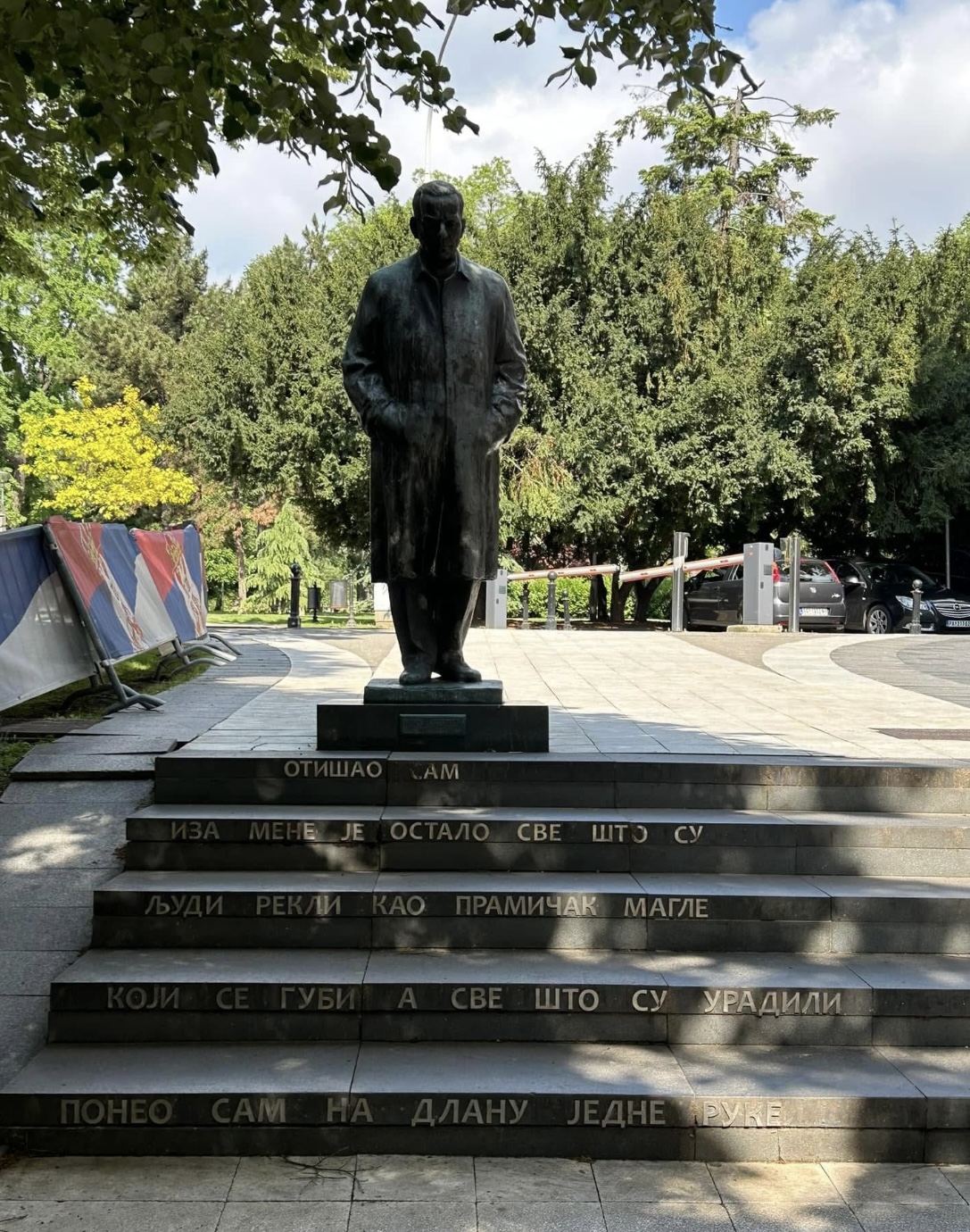
Near the Museum of Ivo Andrić in Belgrade, Serbia, there's a statue of the writer with the following quote written on the steps: I've gone away. Behind me, everything people said disappears like fog, but I carry the things they did in the palm of one hand.
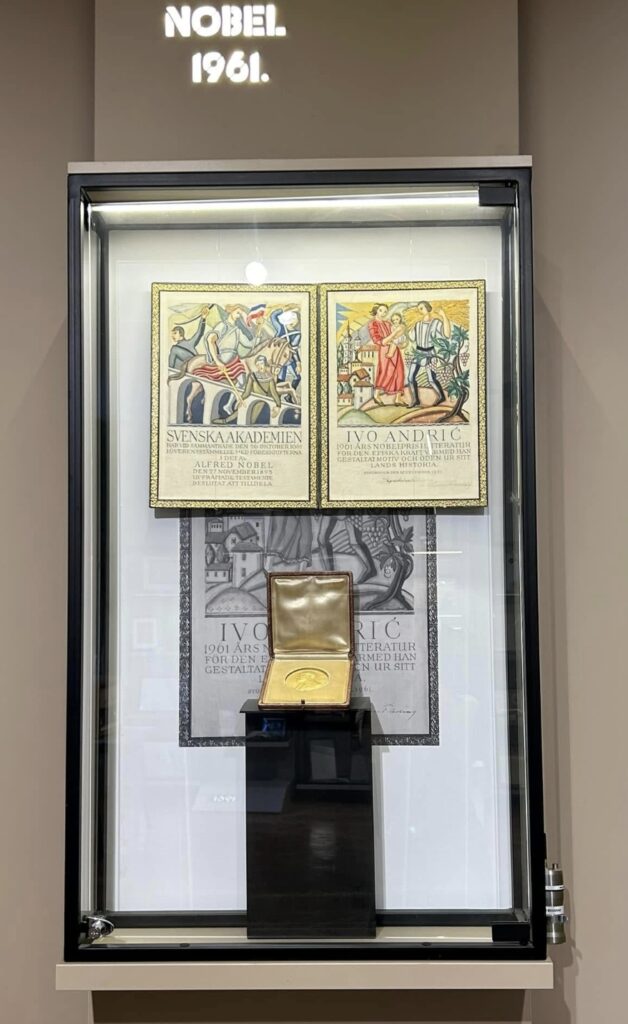
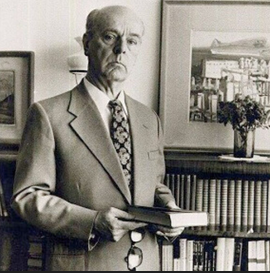
Born in Travnik at the end of the 19th century, Ivo Andrić was a Bosnian Croat who wrote novels and short stories that depicted life for Bosnians living under Ottoman rule. He received the 1961 Nobel Prize in Literature for his best-known work, Most na drini (The Bridge on the Drina), and remains the only Yugoslav writer to receive such an honor.
The Bridge on the Drina is a sequence of interconnected vignettes exploring the life of people living near the Mehmed Paša Sokolović Bridge in Višegrad, Bosnia. Polyphonic in nature, this book offers insight into the historical changes that Bosnia underwent as the Ottoman Empire weakened, giving room for the Austro-Hungarians to gain a foothold in the region. If you want to know more about Bosnian history but can’t stand dry nonfiction texts, The Bridge on the Drina offers a fictionalized account of real historical events through the lens of a deftly written narrative.
Additionally, Andrić published short stories on an array of subject matters, including the oppression of women in Ottoman-era Bosnia. In stories like “The Game,” Andrić depicts the constrained existence of women forced to be subservient to men. A particularly beautiful and aching utterance from this story describes the main female character contending with the weight of the burden she carries as a woman: “[her feet] suddenly became short and shapeless, filled with blood, [this lowest] enslaved part of the body, which bears one’s entire weight, which is condemned to carry this weight until the end of time.”
Ivo Andrić is one of the most significant literary figures from Bosnia, and although his work is steeped in specific historical moments, it explores aspects of the human condition that echo today.
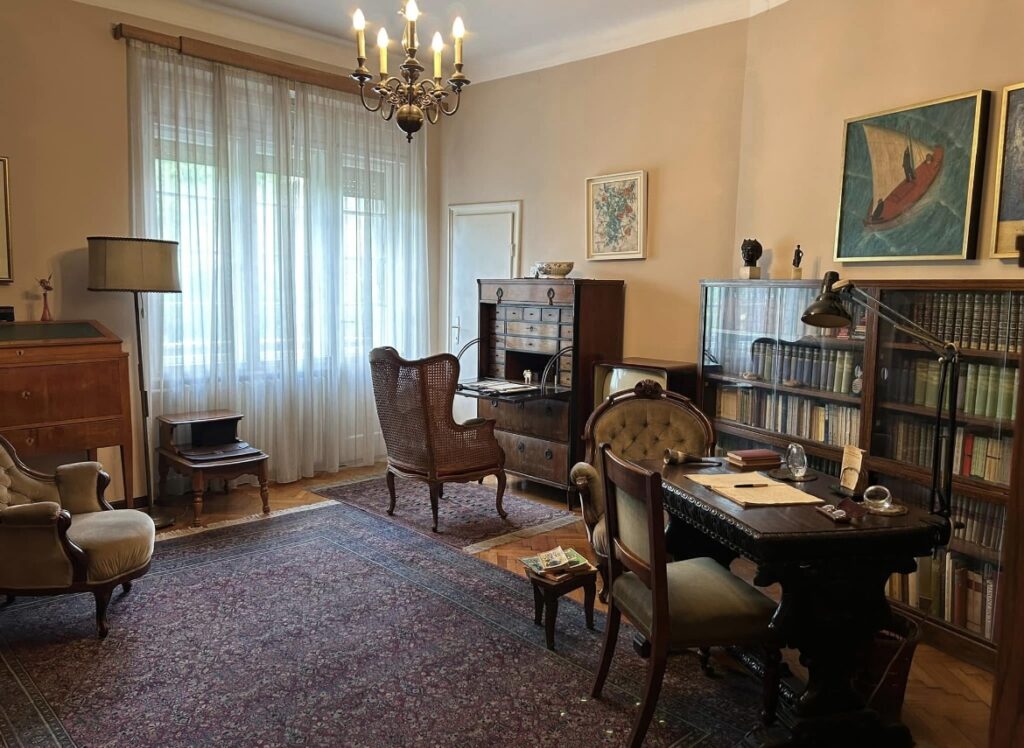
A recreation of Andrić's office at the Museum of Ivo Andrić in Belgrade, Serbia.
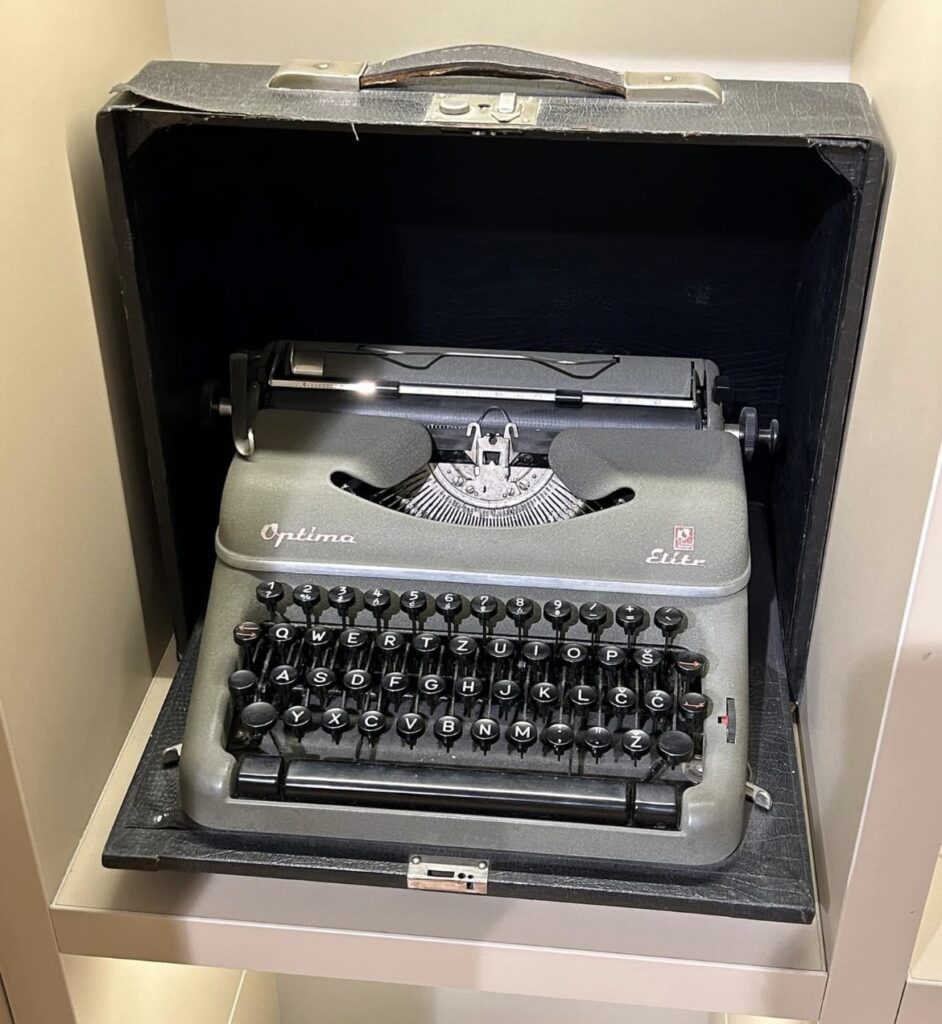
The museum features one of Andrić's typewriters.
Of course, Andrić's Nobel Prize in Literature is on display.
 Ajla Dizdarevic